ByJohn A
Macrodrip vs Microdrip: Choosing the Right Set for the Order
One of the more common bedside decisions nurses make involves comparing macrodrip vs microdrip sets before hanging a new bag. Getting this choice right affects both accuracy and how much manual attention the infusion will need.
Drop Factor Differences
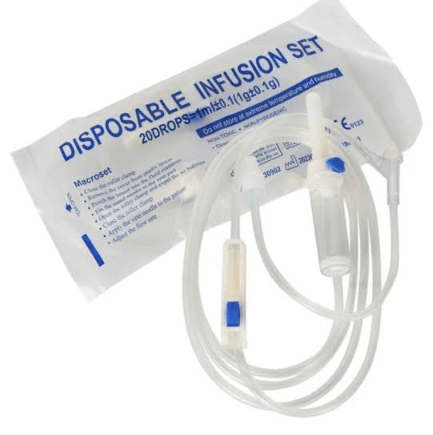
Macrodrip sets typically deliver 10, 15, or 20 drops per mL depending on the manufacturer, while microdrip sets are standardized at 60 drops per mL, producing much finer control at slower rates.
When Speed Matters More Than Precision
For rapid volume replacement, such as in cases of significant blood loss or dehydration, macrodrip sets move fluid faster and are the more practical choice.
When Precision Matters More Than Speed
Maintenance fluids, pediatric dosing, and any order specifying a very low mL-per-hour rate favor microdrip, since counting large drops that slowly would be impractical and error-prone.
See also: Integrating Security, Lighting, and Climate Control into One Smart System
Reading the Physician’s Order Correctly
The ordered rate itself is often the biggest clue: very low hourly rates almost always pair better with microdrip, while bolus or rapid infusion orders point toward macrodrip.
What Happens If You Choose Wrong
Using macrodrip for an order meant for microdrip can make manual rate counting nearly impossible to do accurately, increasing the risk of over- or under-infusion.
Additional Resource
A detailed side-by-side breakdown of macrodrip vs microdrip is worth bookmarking for units where both set types are stocked interchangeably.
Frequently Asked Questions
Is microdrip always safer than macrodrip?
Not universally; safety depends on matching the set to the ordered rate and clinical scenario, not on one type being inherently superior.
Can you switch from macrodrip to microdrip mid-infusion?
Yes, by changing the administration set, though it requires recalculating the drop rate for the new drop factor.
Do electronic pumps eliminate the need to know this distinction?
Not entirely, since manual backup calculations are still a core nursing competency in case of equipment failure.
Conclusion
Choosing between macrodrip and microdrip ultimately comes down to reading the ordered rate and clinical context correctly. It’s a quick decision once the underlying logic is clear, but getting it wrong can quietly undermine infusion accuracy for an entire shift.